Should You Rinse Dishes Before the Dishwasher? Settled
Updated · 5 min read · 4 sources
The short answer
Should you rinse dishes before the dishwasher? No. Scrape food into the trash and load them as they are: ENERGY STAR says pre-rinsing only adds water and energy. Then load for the spray, with dirty sides facing the center, cups upside down on top, and knives point down.
Should you rinse dishes before the dishwasher?
Should you rinse dishes before the dishwasher? It is one of the most common arguments in any shared kitchen, and the short answer is no. Scrape, do not rinse. ENERGY STAR, the U.S. government's energy efficiency program, says rinsing dishes before loading increases the total water and energy you use, and recommends simply scraping food off instead.
The second half of the argument is about where things go. Manufacturers broadly agree, and the few disagreements have simple answers; our full guide on how to load a dishwasher goes rack by rack.
The case for pre-rinsing
The rinsing side is not being silly. Food that dries on overnight can be hard for a machine to remove, a full dishwasher that waits a day can smell, and big scraps can clog the filter. Older machines may also clean less well than newer ones, and people who have been burned by a load of crusty plates do not want to repeat it.
Some of this is right. Scraping matters: Reviewed notes that food particles can clog the filter, and Samsung advises removing bones, seeds, toothpicks and paper before loading. But scraping is not rinsing, and the rest of the problem has a better fix than running the tap.
The verdict
- Dried-on food can survive a wash cycle.
- Dishes that sit for a day can smell.
- Big scraps can clog the filter.
- ENERGY STAR says rinsing adds water and energy, and recommends scraping.
- Most dishwasher programs already include a pre-rinse.
- A rinse cycle handles dishes that will sit, with much less water than the tap.
What it sounds like
The case for skipping the rinse
ENERGY STAR's guidance is direct: skip the rinse and just scrape. If dishes will sit for a while before you run the machine, use the dishwasher's rinse cycle, which uses a fraction of the water that hand rinsing does. Consumer guide Which? makes the same point from the other side: most programs already include a pre-rinse, so rinsing first just wastes water.
The bigger picture also favors the machine. According to ENERGY STAR, a new certified dishwasher used instead of washing by hand saves about 8,400 gallons of water a year and more than 230 hours of personal time. Pre-rinsing every plate gives back much of that time and water.
Where everything goes
Check your manual for your exact racks, but these rules come straight from manufacturer and consumer testing guidance:
- Bottom rack
- Plates, bowls that do not fit on top, pots, pans and large cookware. Put big items like cutting boards, platters and baking sheets at the sides or back so they do not block the spray.
- Top rack
- Cups, glasses, mugs, saucers and dishwasher safe plastics, upside down so water drains.
- Facing
- Samsung's advice is to face the dirtiest side of each dish toward the center, where the spray is strongest, and to turn cups and pots face down.
- Bowls
- Face down or tilted, never upright, or they fill with dirty water.
- Knives
- Point down, handles up, for safety. Samsung and Which? agree on this one.
- Forks and spoons
- Samsung says handles down. Which? suggests mixing handles up and down so spoons do not nest. Either way, keep them from stacking inside each other.
- Spacing
- Do not overlap dishes, do not overload, and make sure nothing blocks the detergent door. Spin the spray arms by hand before you start to check they turn freely.
What not to put in
A lot of loading arguments are really about what should not go in at all. Which? lists wooden chopping boards, copper pans, enameled cast iron, silver and pewter cutlery and melamine plates among the items to keep out of the dishwasher, and suggests washing by hand when in doubt, since there is no single standard dishwasher safe symbol.
The ruling
Scrape, do not rinse, and load dirty sides toward the center with knives point down. The no rinse side wins on water, energy and time, and the rinse side wins one point: scrape off the big stuff, and run a rinse cycle if dishes will sit. Splitting the difference with a quick rinse of everything is not a compromise, it is just rinsing, and the middle ground fallacy is worth knowing for exactly this kind of kitchen standoff.
When loading fights keep coming back, they are usually about who does the chore and how it gets judged. Our guide to what couples fight about covers that part. Still arguing? Paste both sides into the argument judge.
In an argument right now?
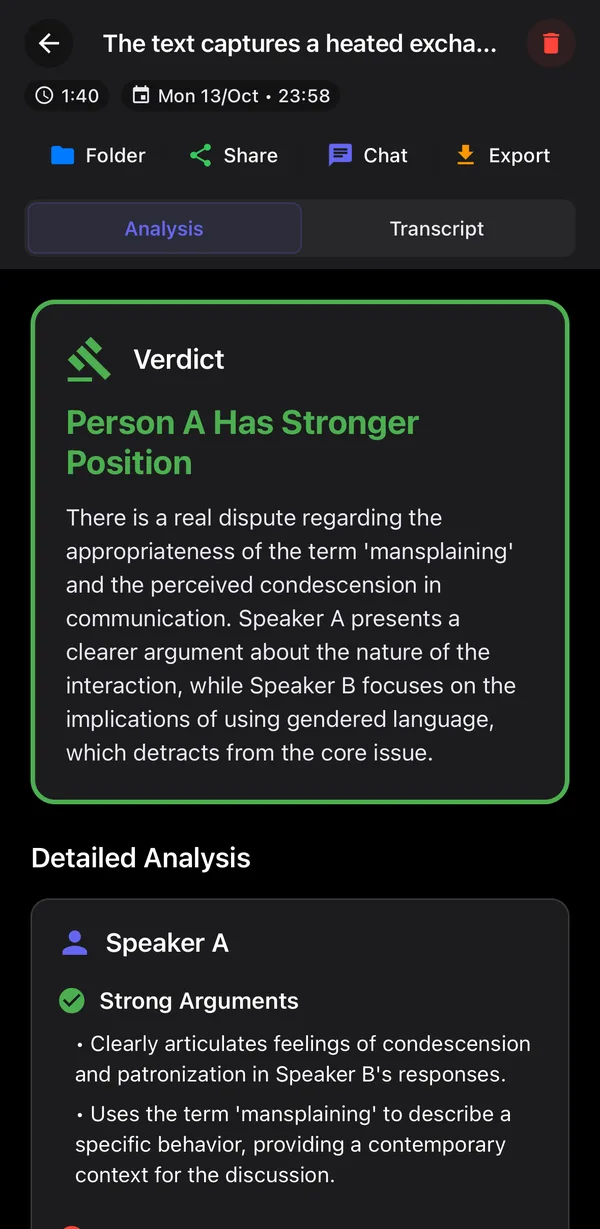
Type both sides and get a fair verdict, with the fallacies on each side. Free.
Questions people ask
Should you rinse dishes before putting them in the dishwasher?
No. ENERGY STAR says rinsing increases the total water and energy used. Scrape food into the trash instead, and use the machine's rinse cycle if dishes will sit before you run it.
Does a dishwasher use less water than washing by hand?
Yes. ENERGY STAR says a new certified dishwasher saves about 8,400 gallons of water a year compared with hand washing.
Should forks go up or down in the dishwasher?
Manufacturers differ: Samsung says handles down, while Which? suggests mixing so spoons do not nest. Knives should always go point down.
Which way should plates face in a dishwasher?
Toward the center, with the dirtiest side facing the spray. Bowls and cups go face down so they drain.
Sources
Keep reading
- DebatesHow to Load a DishwasherHow to load a dishwasher: plates, pots and big items on the bottom rack, dirty sides facing the spray, usually toward the center; cups, glasses and plastics upside down on top; knives handles up so blades point down; and nothing blocking the spray arms or the detergent door. Forks are the only real disagreement.
- DebatesHow Often Should You Wash Your Sheets?How often should you wash your sheets? Once a week. Cleveland Clinic dermatologists advise washing them at least weekly, and the American Lung Association recommends weekly washing in hot water, at least 120°F, to control dust mites. Two weeks is the outside limit, and you should wash more often if you sweat heavily, have allergies or share the bed with pets.
- DebatesToilet Paper Over or Under?Toilet paper over or under? Over. The loose end is easier to see and grab, your knuckles stay off the wall, and the 1891 patent drawing for the perforated toilet paper roll shows the sheet hanging over the front. Under has one genuine use: it slows down cats and toddlers who love to unroll the paper.
- FallaciesMiddle Ground FallacyThe middle ground fallacy is assuming the truth, or the best solution, must lie halfway between two opposing positions. If one person says the bill is due on the 5th and the other says the 15th, the answer is not the 10th. Splitting the difference works for preferences, not for facts.
- GuidesWhat Do Couples Fight About?What do couples fight about? Most often chores, money, children, in-laws and extended family, time together, attention and phones, sex and affection, and plans. Research suggests the topic matters less than what sits underneath it: money fights, for example, are not the most frequent but tend to be the most recurring and least resolved.
- GuidesFair Fighting RulesFair fighting rules are agreements two people make about how they will argue: one topic at a time, complaints about behavior instead of attacks on character, no contempt or name-calling, real listening before rebutting, and a time-out when either person is too upset to think. The goal is to solve the problem without wounding each other.
The ArgueResolver app · iPhone and Android
Record the argument. Get the verdict.
ArgueResolver listens while you talk it out, works out who said what, and gives an honest verdict on what was actually said, with compromises and steps to fix it.
Free to start · See how it works